Renewable Energy: The Next Frontier for Smart Investors
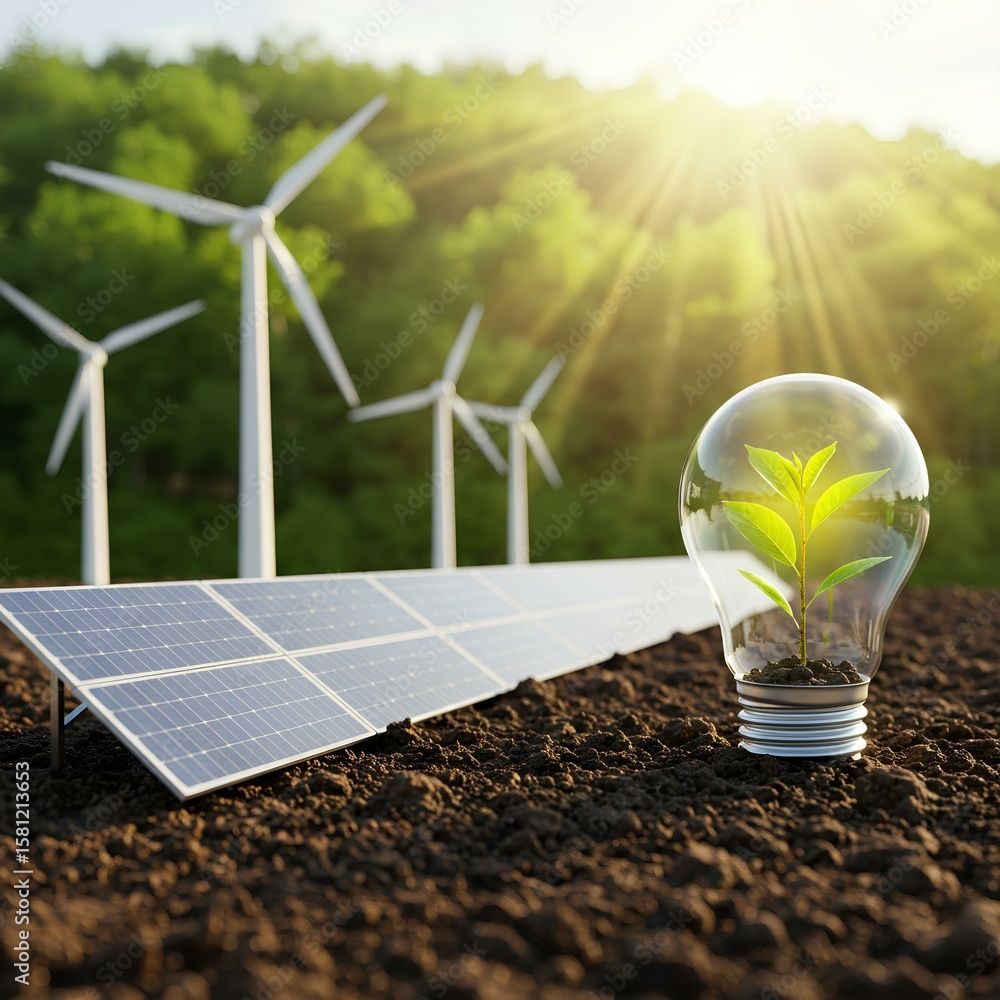
The global energy landscape is undergoing a fundamental transformation. Renewable energy is no longer a niche sector — it is rapidly becoming the dominant force in power generation worldwide. For investors, this transition presents one of the most significant opportunities of our generation.
Key Insight: Global investment in renewable energy reached $1.3 trillion in 2025 and is projected to exceed $2 trillion by 2028. The energy transition is the largest capital opportunity in modern history.
The Global Energy Transition
The world is moving away from fossil fuels toward cleaner, more sustainable energy sources. This transition is driven by three powerful forces:
- Climate Action: Governments worldwide are committing to net-zero emissions targets, creating regulatory support for renewable energy.
- Technological Advancement: The cost of solar and wind energy has fallen by over 80% in the past decade, making renewables cheaper than fossil fuels in most markets.
- Energy Security: Countries are seeking to reduce dependence on imported fossil fuels and enhance energy independence.
Why Africa is the Renewable Energy Opportunity
Africa presents a particularly compelling opportunity in renewable energy. The continent has abundant renewable resources and a growing demand for electricity, creating a perfect storm for investment.
- Abundant Resources: Africa has 60% of the world's best solar resources, vast hydroelectric potential, and significant wind corridors.
- Energy Gap: Over 600 million Africans lack access to electricity, representing a massive market for renewable energy solutions.
- Favorable Economics: Renewable energy is often cheaper than diesel generators and grid extensions in many parts of Africa.
- Government Support: Many African governments have implemented supportive policies and targets for renewable energy deployment.
- Climate Finance: Significant climate finance flows from international donors and development institutions are supporting African renewable energy projects.
Investment Opportunity: The African renewable energy market is projected to attract over $200 billion in investment by 2030, with solar and wind leading the way.
Key Renewable Energy Sectors for Investment
1. Solar Energy
Solar energy is the fastest-growing renewable energy source in Africa. The continent's abundant sunshine makes solar power an ideal solution for both utility-scale projects and distributed generation.
- Utility-Scale Solar Farms: Large solar projects providing power to national grids.
- Mini-Grids: Solar-powered mini-grids serving rural communities and industrial clusters.
- Commercial & Industrial (C&I): Solar installations for businesses, factories, and commercial buildings.
- Residential Solar: Home solar systems, including rooftop panels and home battery storage.
- Solar Water Pumping: Solar-powered irrigation for agriculture.
2. Wind Energy
Wind energy is gaining momentum in Africa, particularly in coastal and mountainous regions with strong wind resources. Countries like South Africa, Kenya, and Egypt are leading the way with large-scale wind projects.
- Onshore Wind Farms: Large-scale wind projects providing clean electricity to national grids.
- Offshore Wind: Emerging opportunity in countries with coastlines and favorable sea depths.
- Hybrid Projects: Combining wind with solar for more reliable power generation.
3. Hydropower
Africa has significant hydroelectric potential, with major rivers and water bodies offering opportunities for large-scale and small-scale hydropower projects. While large dams face environmental and social challenges, small hydro projects are gaining traction.
4. Energy Storage
Energy storage is critical for integrating variable renewable energy sources into the grid. Battery storage, pumped hydro, and emerging technologies are attracting increasing investment.
- Battery Energy Storage: Utility-scale batteries and community storage solutions.
- Home Battery Systems: Residential battery storage for solar homes.
- Flow Batteries: Emerging long-duration storage technology.
Future Opportunity: Green hydrogen is emerging as a major frontier in renewable energy. Countries with abundant solar and wind resources, such as Namibia and South Africa, are exploring green hydrogen production for export.
Investment Models in Renewable Energy
1. Direct Investment in Projects
Direct investment in renewable energy projects offers attractive returns and steady cash flows. Investors can participate through:
- Equity Investment: Taking ownership stakes in project companies.
- Debt Financing: Providing loans for project development.
- Project Finance: Structured financing for large infrastructure projects.
2. Renewable Energy Funds
Specialized renewable energy funds provide exposure to diversified portfolios of projects, reducing risk and providing professional management.
3. Crowdfunding and Peer-to-Peer Investment
Crowdfunding platforms are democratizing access to renewable energy investment, allowing individuals to invest in solar projects with relatively small amounts of capital.
The Nigerian Opportunity
Nigeria presents one of the most significant renewable energy opportunities in Africa. With a population of over 200 million, rapidly growing energy demand, and abundant solar resources, the country is a prime market for renewable energy investment.
- Solar Potential: Nigeria receives an average of 4.5-6.5 kWh/m²/day of solar radiation, making it ideal for solar power generation.
- Energy Deficit: An estimated 90 million Nigerians lack access to reliable electricity.
- Government Support: The Nigerian government has set ambitious renewable energy targets and implemented supportive policies.
- Economic Growth: Rapid economic growth is driving increased energy demand, creating a large market for renewable energy solutions.
- Climate Finance: Nigeria is a major recipient of climate finance, supporting renewable energy deployment.
How CILPIN Members Can Participate
CILPIN offers members exclusive access to renewable energy investment opportunities:
- Solar Mini-Grid Projects: Investing in solar mini-grids that provide electricity to rural communities.
- Commercial Solar Projects: Financing solar installations for businesses and commercial facilities.
- Hydropower Projects: Opportunities in small and medium-scale hydroelectric projects.
- Energy Storage Investments: Investing in battery storage and energy storage infrastructure.
- Co-Investment Opportunities: Pooling resources with other members for larger renewable energy projects.
Disclaimer: This article is for informational purposes only and does not constitute investment advice. All investments carry risk, and past performance is not indicative of future results. Please consult with a qualified financial advisor before making any investment decisions.