Top Investment Trends Shaping Africa's Economy in 2026

As we navigate through 2026, Africa stands at a pivotal moment in its economic development journey. The continent is experiencing a transformation driven by demographic shifts, technological innovation, and changing global dynamics. For investors, this presents a landscape rich with opportunity across multiple sectors.
At CILPIN, we've been tracking these developments closely. Our team has identified several key trends that are shaping Africa's investment landscape this year. Here's what smart investors need to know.
1. The Rise of African Tech Ecosystems
Africa's technology sector continues to mature at an unprecedented pace. What was once a nascent startup scene has evolved into a thriving ecosystem with global recognition. The continent now boasts over 600 tech hubs and is home to several unicorns valued at over $1 billion.
The growth is being driven by several factors: a young, tech-savvy population (median age of 19.7 years), improving internet connectivity, and increasing smartphone penetration. The African fintech sector alone is projected to reach $10 billion in revenue by 2027.
Key Insight: The most promising tech subsectors include fintech (especially mobile money and payments), healthtech (telemedicine and health insurance), agritech (precision farming and supply chain), and edtech (online learning platforms).
2. Renewable Energy Infrastructure
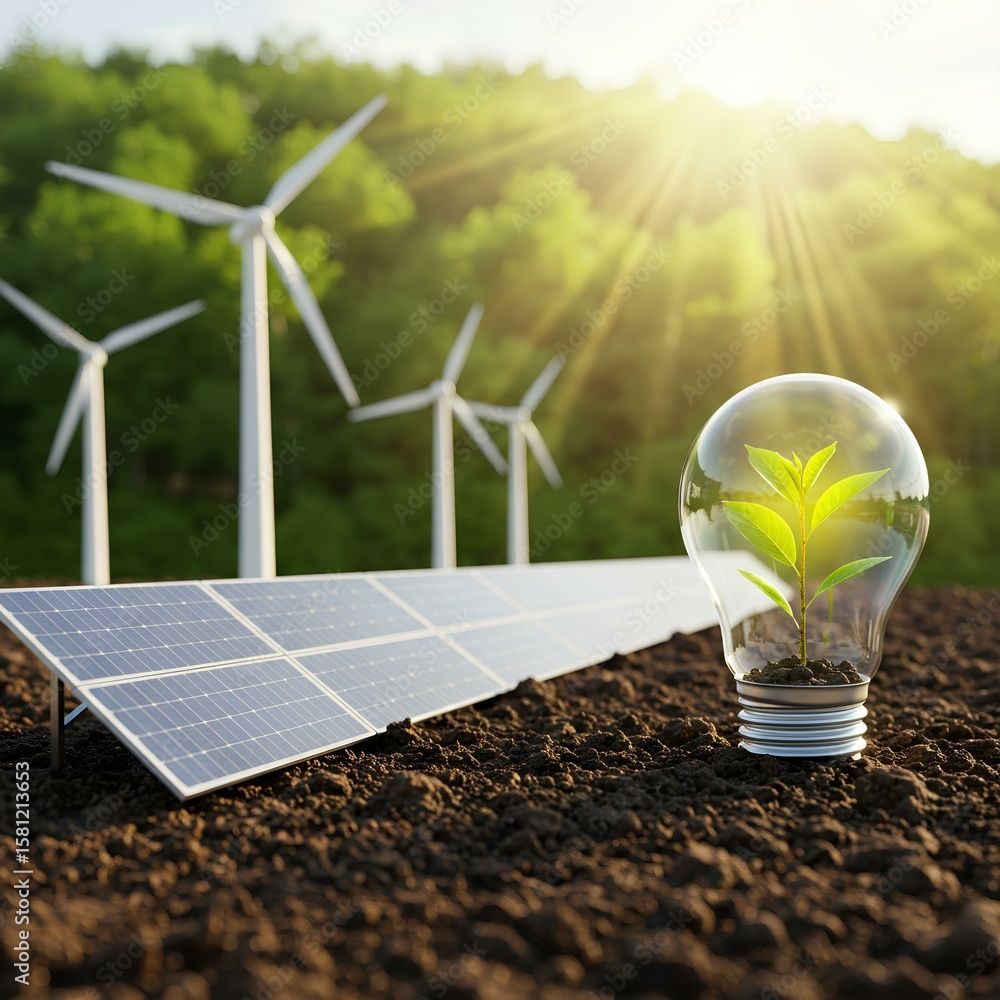
Africa's energy deficit presents both a challenge and a massive opportunity. With over 600 million Africans lacking access to reliable electricity, renewable energy solutions are attracting significant investment from both public and private sources.
The continent has abundant renewable resources: 60% of the world's best solar resources, vast hydroelectric potential, and significant wind corridors. Countries like Egypt, Kenya, and South Africa are leading the transition, with ambitious renewable energy targets.
- Solar mini-grids are providing electricity to rural communities, creating new economic opportunities.
- Utility-scale projects are attracting institutional capital with long-term, stable returns.
- Green hydrogen is emerging as a promising frontier, with countries like Namibia and South Africa exploring production projects.
- Energy storage solutions and battery technology represent the next frontier in the sector.
3. Real Estate and Urban Development
Africa's rapid urbanization continues unabated. By 2050, over 50% of Africa's population will live in cities, creating enormous demand for housing, commercial spaces, and infrastructure. This is driving a real estate boom in major cities across the continent.
Investors are increasingly looking beyond traditional residential and commercial properties to new asset classes like build-to-rent (BTR) housing, co-living spaces, and mixed-use developments. The hospitality sector is also experiencing a renaissance, driven by a growing middle class and increasing tourism.
4. Agricultural Transformation
Agriculture remains the backbone of many African economies, employing over 60% of the continent's workforce. But the sector is undergoing a transformation, driven by technology and innovation.
Agri-tech startups are revolutionizing everything from farming techniques to supply chains. Precision farming, drone technology, and digital marketplaces are helping farmers increase yields, reduce waste, and access better markets. There's also growing interest in sustainable and organic farming, driven by global demand.
Key Insight: The agricultural sector offers diverse investment opportunities, from direct farming operations to processing facilities, logistics, and technology solutions. Investors who can navigate the sector's complexities stand to benefit from long-term growth driven by population growth and changing dietary patterns.
5. Infrastructure Development
Africa's infrastructure gap is estimated at $100 billion per year. This presents a significant opportunity for investors in transport, energy, water, and digital infrastructure. The African Union's Programme for Infrastructure Development in Africa (PIDA) has identified over 400 priority projects across the continent.
Public-private partnerships (PPPs) are emerging as the preferred model for many infrastructure projects, offering stable, long-term returns. There are also increasing opportunities in the digital infrastructure space, including data centers, fiber optic networks, and 5G rollout.
6. Healthcare and Pharmaceuticals
The COVID-19 pandemic exposed the fragility of Africa's healthcare systems, but also highlighted the opportunity for investment in the sector. The African pharmaceutical market is projected to reach $50 billion by 2027, driven by population growth, increasing healthcare spending, and a push for local manufacturing.
Telemedicine platforms are expanding access to healthcare services, particularly in remote areas. There's also growing interest in medical tourism, as African countries invest in world-class healthcare facilities.
7. The Rise of Impact Investing
African investors are increasingly seeking opportunities that deliver both financial returns and social impact. This is being driven by a younger generation of investors who are prioritizing sustainability, environmental responsibility, and social justice.
The continent is well-positioned to benefit from this trend, with numerous opportunities in renewable energy, sustainable agriculture, affordable housing, and social enterprise. The demand for impact-focused investment vehicles is growing, with vehicles like the African Development Bank's Africa Impact Investing Fund gaining traction.
Conclusion: A Bright Future Ahead
Africa's investment landscape in 2026 is rich with opportunity across multiple sectors. The key themes of this year—technology, renewable energy, real estate, agriculture, infrastructure, healthcare, and impact investing—reflect the continent's dynamism and potential.
At CILPIN, we're committed to helping our members navigate these trends and identify the most promising opportunities. Whether you're an experienced investor or just starting your journey, the African market offers significant potential for wealth creation.
Disclaimer: This article is for informational purposes only and does not constitute investment advice. All investments carry risk, and past performance is not indicative of future results. Please consult with a qualified financial advisor before making any investment decisions.